
"Kigali coffee"
130 article(s) found

Juice-flavored coffee anti-hot summer | three fresh and fruity coffee beans suitable for drinking in summer
Communication of professional baristas Please follow the coffee workshop (official Wechat account cafe_style) in summer. Do you feel a slight loss of appetite? At this time, you might as well have a cup of coffee with juice flavor. Coffee beans are actually the kernels of coffee cherries. Their flesh tastes sweet and contains citric acid, malic acid, lactic acid and other ingredients. Through baking, the natural fruit aroma and sour taste can be dispersed.
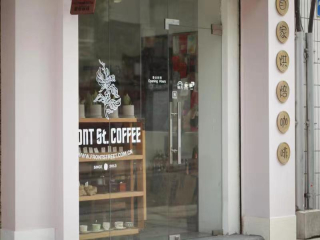
The coffee pattern of Rwanda is the fine coffee producing area of Rwanda distributed in the west?
Rwanda mainly grows high-quality Arabica and is famous for its ancient Bourbon Bourbon varieties, with a proportion of more than 95%. The remaining 5% are mostly bourbon varieties, such as Kaddura Caturra and Kaduai Catuai. Rwandan coffee flavor with fresh and fresh grass
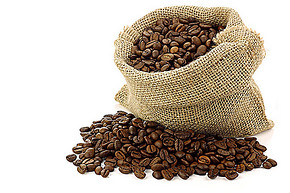
Introduction to the Historical Development of Rwanda Coffee in Rwanda
Follow the caf é (Wechat official account vdailycom) found that the beautiful cafe opened a small shop of its own Rwanda Rwanda country full name: population of the Republic of Rwanda: about 9.74 million people Capital: Kigali language: Rwandan coffee annual output: 18000 tons through colonial trade policy, farmers around the country are required to plant 70 coffee trees, so created Lu

Rwanda Shuli Coffee Bean Story Rwanda Shuli Cooperative Coffee Is It Worth Drinking
Professional coffee knowledge exchange More coffee bean information Please pay attention to coffee workshop (Weixin Official Accounts cafe_style) Abateraninkunga ba Sholi(Sholi) cooperative, meaning mutual aid, located in Muhanga dispute in the southern province of Rwanda, between Kigali and Lake Kivu. Founded in 2008, Sholi Coffee has been producing coffee for nearly 10 years. Sholi coffee

Rwanda Shuli coffee bean story Rwanda Shuli coffee bean flavor Rwanda Shuli coffee is delicious
For more information on coffee beans, please follow the Coffee Workshop (Wechat official account cafe_style) Abateraninkunga Sholi Cooperative Abateraninkunga ba Sholi (Sholi), which means mutual assistance, located in Muhanga disctrict, the southern province of Rwanda, between Kigali and Lake Kivu. Sholi Coffee Company was founded in 2008 and has

Introduction to the flavor and taste characteristics of Malaba coffee in southern Rwanda
Rwandans have been growing coffee since colonial times, but until 1999, its products were still classified as below Class C and were not popular in the global market. The reason for the poor quality is that farmers do not have a fixed procedure for washing coffee beans and do not process coffee fruits according to specifications in time. Buyers buy coffee beans at $0.33 per kilogram, and farmers keep warm by the meagre profits earned at low prices.

What's the difference between Rwandan coffee and other coffee?
The Tutsi people established a feudal kingdom in the 16th century. Since the middle of the 19th century, Britain, Germany and Belgium invaded one after another and became a German protected place in East Africa in 1890. In 1922, under the Treaty of Versailles, he was entrusted to Belgian rule. In January 1960 Belgium agreed to the autonomy of Rwanda. Independence was declared on July 1, 1962 and a republic was established. After independence, the Tutsi and Hutu tribes occurred many times.

History of Rwandan Coffee A brief introduction to the Origin of Rwandan Coffee
The taste of Rwandan coffee is extremely special. Rwandans have been growing coffee since colonial times, but until 1999, its products were still classified as below Class C and were not popular in the global market. The reason for the poor quality is that farmers do not have a fixed procedure for washing coffee beans and do not process coffee fruits according to specifications in time. Buyers buy coffee beans at $0.33 per kilogram, and farmers rely on low prices.

Citrus-flavored and sweet Coffee Variety of Coffee Variety in Kimmel Manor, Rwanda
Rwanda is located in the south of the equator in east-central Africa, a landlocked country. It is bordered by Tanzania to the east, Burundi to the south, Zaire to the west and northwest, and Uganda to the north, with a land area of 26338 square kilometers, ranking 149th among all countries in the world and close to Burundi, Macedonia, Haiti and Albania. Rwanda is located in east-central Africa, bordered by the Democratic Republic of the Congo in the west and north.

Grinding scale of Rwandan Coffee beans Variety treatment manor taste
Rwanda is located in the south of the equator in east-central Africa, a landlocked country. It is bordered by Tanzania to the east, Burundi to the south, Zaire to the west and northwest, and Uganda to the north, with a land area of 26338 square kilometers, ranking 149th among all countries in the world and close to Burundi, Macedonia, Haiti and Albania. Rwanda is located in east-central Africa, bordered by the Democratic Republic of the Congo to the west.

Introduction of Coffee Flavor and Flavor varieties in Coffee Manor, Rwanda
Rwanda is located in the south of the equator in east-central Africa, a landlocked country. It is bordered by Tanzania to the east, Burundi to the south, Zaire to the west and northwest, and Uganda to the north, with a land area of 26338 square kilometers, ranking 149th among all countries in the world and close to Burundi, Macedonia, Haiti and Albania. Rwanda is located in east-central Africa, bordered by the Democratic Republic of the Congo to the west.

Aromatic, full-bodied Rwandan coffee flavor Taste Manor characteristics Fine coffee Introduction
Clans began to coalesce into kingdoms in the 15th century, and by 1700 there were eight kingdoms in Rwanda. The Kingdom of Rwanda, ruled by the Tutsi Nyiginya clan, grew from the mid-18th century until it reached its peak in the 19th century under King Kigali IV. Between 700 BC and 1500 AD, some Bantu groups migrated to Rwanda, clearing forests for seed production

Rich and full-bodied flavor of Rwandan coffee description of grinding degree of taste introduction to the methods of variety treatment
Clans began to form kingdoms in the 15th century, and in 1700 there were eight kingdoms in Rwanda. The Kingdom of Rwanda, ruled by the Tutsi Nyiginya clan, grew gradually in the mid-18th century and reached its peak under the rule of King Kigali IV in the 19th century. Between 700 BC and 1500 AD, some Bantu groups moved to Rwanda to destroy forests and open up wasteland.

Introduction to the taste treatment of grinding degree of Rwanda coffee flavor description of varieties in producing area
Rwanda has a temperate and tropical plateau climate, and because of its high altitude, its temperature is lower than that of typical equatorial countries. The daily temperature in Kigali, which is located in the middle of the country, is generally between 12 and 27C, with a relatively wide range of fluctuations throughout the year.

Soft and rich Rwandan Chimaire Estate coffee flavor Introduction
Rwanda is a landlocked country located south of the equator in central and eastern Africa. Tanzania borders Tanzania in the east, Burundi in the south, Zaire in the west and northwest, Uganda in the north, covering an area of 26338 square kilometers, ranking 149th among countries in the world and close to Burundi, Macedonia, Haiti and Albania. Rwanda is located in central and eastern Africa, bordering the Democratic Republic of Congo in the west,

Rwanda Coffee Flavor description Variety producing area characteristics introduction of Fine Coffee
Rwanda is located in the south of the equator in east-central Africa, a landlocked country. It is bordered by Tanzania to the east, Burundi to the south, Zaire to the west and northwest, and Uganda to the north, with a land area of 26338 square kilometers, ranking 149th among all countries in the world and close to Burundi, Macedonia, Haiti and Albania. Rwanda is located in east-central Africa, bordered by the Democratic Republic of the Congo to the west.
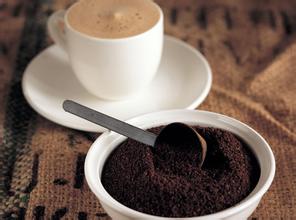
History of coffee in Rwanda
The Rwandans of origin have been growing coffee since colonial times, but until 1999, its products were still classified as below Class C and were not popular in the global market. The reason for the poor quality is that farmers do not have a fixed procedure for washing coffee beans and do not process coffee fruits according to specifications in time. Buyers buy coffee beans at $0.33 per kilogram, and farmers rely on the meagre profits earned at low prices.

Fragrant and full-grained Rwandan coffee flavor and taste the introduction of fine coffee beans in the manor producing area
Rwanda has a temperate and tropical plateau climate, and because of its high altitude, its temperature is lower than that of typical equatorial countries. The daily temperature in Kigali, which is located in the middle of the country, is generally between 12 and 27C, with a relatively wide range of fluctuations throughout the year.

Full-bodied Coffee Flavor description of Coffee Manor in Rwanda introduction to the characteristics of Grinding degree
Rwanda is located in the south of the equator in east-central Africa, a landlocked country. It is bordered by Tanzania to the east, Burundi to the south, Zaire to the west and northwest, and Uganda to the north, with a land area of 26338 square kilometers, ranking 149th among all countries in the world and close to Burundi, Macedonia, Haiti and Albania. Rwanda is located in east-central Africa, bordered by the Democratic Republic of the Congo to the west.

The flavor of long-lasting Rwandan coffee describes the characteristics of fine coffee in the producing area.
Rwanda has a temperate and tropical plateau climate, and because of its high altitude, its temperature is lower than that of typical equatorial countries. The daily temperature in Kigali, which is located in the middle of the country, is generally between 12 and 27C, with a relatively wide range of fluctuations throughout the year.